
Introduction
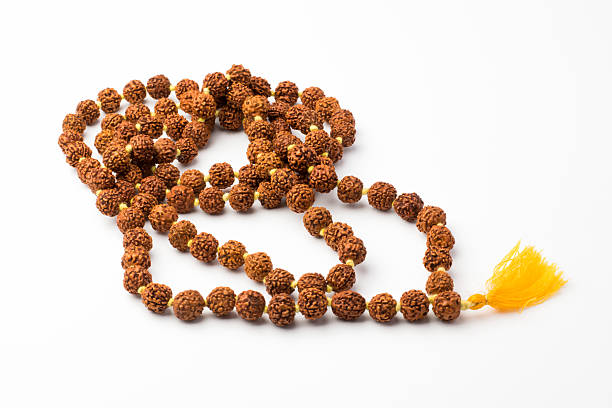
If you’ve ever been stuck in Bannerghatta Road traffic (which is like… always), you might’ve noticed how many spiritual shops, temple stalls, and even random roadside sellers have popped up selling Rudraksha malas. It’s kind of wild. A few years ago, this area was mostly about hospitals, colleges, and late-night chai. Now suddenly everyone wants a Rudraksha mala Bannerghatta Road special, like it’s sourced from some secret Himalayan warehouse hidden behind IIM Bangalore. I first noticed this when a cab driver casually started explaining the benefits of his 5-mukhi mala while waiting at a signal. That’s when you know something’s trending beyond Instagram reels.
Why People Trust Local Rudraksha Malas More Than Online Ones
Here’s my honest take — buying spiritual stuff online always feels a bit risky. Like ordering fruits without seeing them. A lot of people around Bannerghatta Road prefer buying a Rudraksha mala in person because they want to touch it, feel its weight, count the mukhis properly, and maybe even get it checked with copper or water tests (yes, people still do that). There’s also this belief that local sellers near temples or old spiritual stores won’t scam you because their reputation depends on regular customers. Maybe it’s partly emotional, but faith doesn’t really work like Amazon reviews.
The Energy Talk — Is It Real or Just Placebo?
I’ll be real, I was skeptical at first. The whole Rudraksha has vibrations thing sounded like something straight out of a WhatsApp forward. But then I noticed how many stressed-out IT folks around Bannerghatta Road swear by it. Some say wearing a Rudraksha mala helped them sleep better, others claim it reduced anxiety. Is it energy or placebo? Hard to say. But even finance people will tell you — confidence itself has value. Like wearing a watch that makes you feel successful even if your bank balance disagrees.
Lesser-Known Stuff Most Shops Won’t Tell You
One interesting thing I learned (from a slightly grumpy shop owner, actually) is that not all Rudraksha malas are meant to be worn daily. Some are better for japa, some for meditation only. Also, a lot of malas sold cheaply are machine-polished, which apparently reduces their natural feel. Shops around Bannerghatta Road quietly know this, but only a few explain it unless you ask. Another niche thing — Indonesia Rudraksha dominates the market now, and Nepal ones are rarer and pricier, which affects why prices vary so much from shop to shop.
Social Media, Reels, and the Sudden Spike in Demand
You can’t ignore Instagram’s role here. One viral reel of a sadhu explaining Rudraksha benefits, and suddenly everyone wants one. I’ve seen comments like Got mine from Bannerghatta Road, best quality bro under random videos. That kind of online chatter creates FOMO. It’s similar to stock tips — once enough people talk about it, demand shoots up, logic follows later. The Rudraksha mala Bannerghatta Road searches didn’t rise out of nowhere; social media definitely pushed it into the spotlight.
My Slightly Awkward First Purchase Experience
I remember walking into a small shop near a temple stretch, pretending I knew what I was doing. I nodded seriously while the seller explained mukhis, even though I was mentally thinking about lunch. I picked one that felt right — very scientific, I know. Did my life change overnight? No. But wearing it oddly made me calmer, or at least reminded me to slow down. Sometimes that reminder itself is the real value, not the bead.
Conclusion
Honestly, if you’re expecting miracles, you’ll be disappointed. But if you’re looking for something grounding, symbolic, and rooted in tradition, Bannerghatta Road is actually a decent place to explore. The variety, local knowledge, and ability to physically inspect the Rudraksha mala make a difference. Think of it like buying gold jewelry locally instead of digitally — you’re paying for trust, experience, and peace of mind, not just the product.