
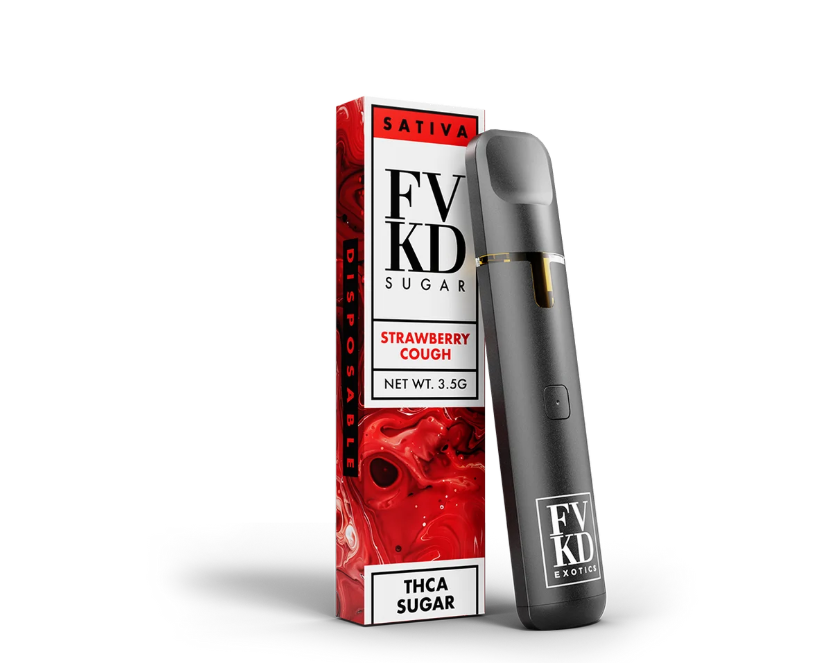
Choosing between cannabis-derived products can feel confusing when different formats, flavor descriptions, and ingredient profiles appear under one brand. Although packaging and product names help distinguish individual items, they do not always explain how those products differ in composition, handling, or intended use. Understanding these distinctions starts with reading labels, checking available testing information, and recognizing the limitations of marketing claims. A careful comparison helps adult consumers evaluate product information more objectively and prioritize responsible decisions.
Understanding Product Variety Within One Brand
A brand can offer several product categories to address different preferences and product formats. The FVKD Exotics provides a starting point for reviewing its brand presentation and available offerings.
When comparing products within fvkd exotics, it is important to look beyond the name on the package. Different categories can involve distinct formulations, delivery methods, storage requirements, and handling considerations.
Three factors are especially useful when comparing products:
- Product format: Determines how the product is presented and intended to be used.
- Composition: Identifies the stated ingredients and cannabinoid content, where applicable.
- Supporting information: Includes labeling, warnings, and available laboratory documentation.
These details provide a more reliable basis for comparison than assuming that products from one brand share identical characteristics.
How Product Formats Affect the Comparison
Product format is one of the most visible differences between items in the cannabis-derived market. Disposable vape devices, concentrates, and other formulations may have different ingredients, equipment requirements, and storage instructions.
A disposable vape typically combines a battery, heating element, and prefilled reservoir in one device. Concentrated products, by comparison, may require a different delivery method and compatible equipment. The exact requirements depend on the individual product.
Why Format Matters
The format influences more than convenience. It can affect the device’s operating requirements, the information needed to use it appropriately, and how the product should be stored or discarded.
Consumers should check manufacturer instructions rather than assume that one format can be handled in the same way as another. Devices with damaged batteries, leaking components, or unusual overheating should not be used.
Disposable electronics also create waste-management concerns. Local guidance can help determine how batteries and electronic components should be collected and disposed of appropriately.
What Makes Sugar-Style Products Different?
The term sugar can refer to a particular appearance or texture in certain cannabis concentrates. It should not automatically be interpreted as a statement about added table sugar, sweetness, or the product’s complete chemical composition.
The FVKD sugar is the relevant place to review the brand’s current category information. Consumers should use the individual product description and label to confirm the specific formulation rather than relying on the category name alone.
Texture, Composition, and Product Information
Concentrate textures can vary according to the material and processing methods involved. Appearance alone, however, cannot establish cannabinoid concentration, purity, or the presence or absence of contaminants.
When assessing a sugar-style concentrate, look for:
- Stated ingredients and cannabinoid information.
- Product-specific instructions and storage requirements.
- Batch identification and relevant testing documentation.
- Clear warnings and applicable legal restrictions.
If the available description does not answer an important question, seek clarification from the manufacturer or seller.
Flavor Descriptions Versus Verified Ingredients
Flavor names help distinguish products and communicate a particular sensory identity. Descriptions may reference fruit, candy, dessert, herbs, or other familiar aromas.
However, these descriptions do not necessarily reveal the complete formulation. A fruit-inspired name, for example, does not prove that a product contains a particular fruit ingredient or a specific concentration of a terpene.
When reviewing fvkd exotics, consumers should separate descriptive language from measurable claims. Ingredient lists and relevant laboratory results offer more useful evidence about composition than names or promotional wording.
This distinction also matters when comparing products with similar names. Items that appear related may have different formulations, cannabinoid concentrations, or intended uses.
Reading Labels and Laboratory Results
Labels help connect product descriptions with information that can be checked. Depending on the product and jurisdiction, useful details may include the manufacturer, ingredients, cannabinoid content, batch identification, warnings, and storage instructions.
What a Certificate of Analysis Can Tell You
A certificate of analysis, or COA, may provide laboratory measurements for specified cannabinoids and selected contaminants. Its value depends on the laboratory’s credibility, the testing scope, and whether the report corresponds to the actual product batch.
Before relying on a report, consider the following:
| Detail | Why it matters |
| Sample identification | Helps connect the report to a specific product or batch |
| Testing date | Provides context for when the analysis was performed |
| Cannabinoid results | Shows the measured levels of the cannabinoids tested |
| Contaminant screening | Identifies which additional substances were assessed |
| Laboratory information | Helps establish the source of the results |
A report does not necessarily test for every potential contaminant, and testing does not prove that a product is harmless. Consumers should read the results in context rather than treating a testing claim as a universal safety guarantee.
Safety, Storage, and Responsible Purchasing
Product comparisons should include practical safety considerations, not just appearance or formulation. Vaping and cannabinoid products can carry health risks, and the risks vary according to ingredients, potency, use, and individual circumstances.
Nicotine can cause dependence, while intoxicating cannabinoids may affect coordination, attention, memory, and judgment. Adults should avoid driving or operating machinery while impaired and follow applicable local laws.
Keep these precautions in mind:
- Follow the manufacturer’s storage and operating instructions.
- Keep products secured away from children and pets.
- Avoid modifying devices or using incompatible charging equipment.
- Do not use products with signs of damage or malfunction.
- Follow local requirements for disposing of batteries and electronic devices.
- Seek advice from a qualified healthcare professional when medical conditions or potential medication interactions are a concern.
People who are pregnant or breastfeeding should consult a qualified healthcare professional before considering cannabis-derived products.
Making a More Informed Comparison
No single feature tells the whole story about a product. A distinctive name may help with identification, a particular texture may distinguish a concentrate, and a disposable format may simplify the device’s physical design. None of these characteristics independently establishes quality or safety.
A useful comparison considers the product’s format, ingredients, available testing, manufacturer instructions, and applicable regulations together. If critical information is unavailable or inconsistent, it is reasonable to request clarification instead of assuming the product meets a particular standard.
Conclusion
Different product formats can vary in composition, handling, and documentation requirements. FVKD Exotics products should be assessed individually using clear labels, relevant testing, and manufacturer instructions rather than appearance or branding alone. Understanding the difference between descriptive names and verified information helps adults make more informed comparisons. Responsible decisions also require attention to health risks, local regulations, secure storage, and proper disposal. Ultimately, transparent information provides a stronger basis for evaluation than marketing language by itself.
Disclaimer: This article is for general informational purposes only and does not constitute medical, legal, or purchasing advice. Vaping and cannabinoid products may carry health risks. Product availability, composition, and legal requirements vary by jurisdiction. Verify product-specific claims through reliable documentation and consult a qualified healthcare professional for individual health concerns.