
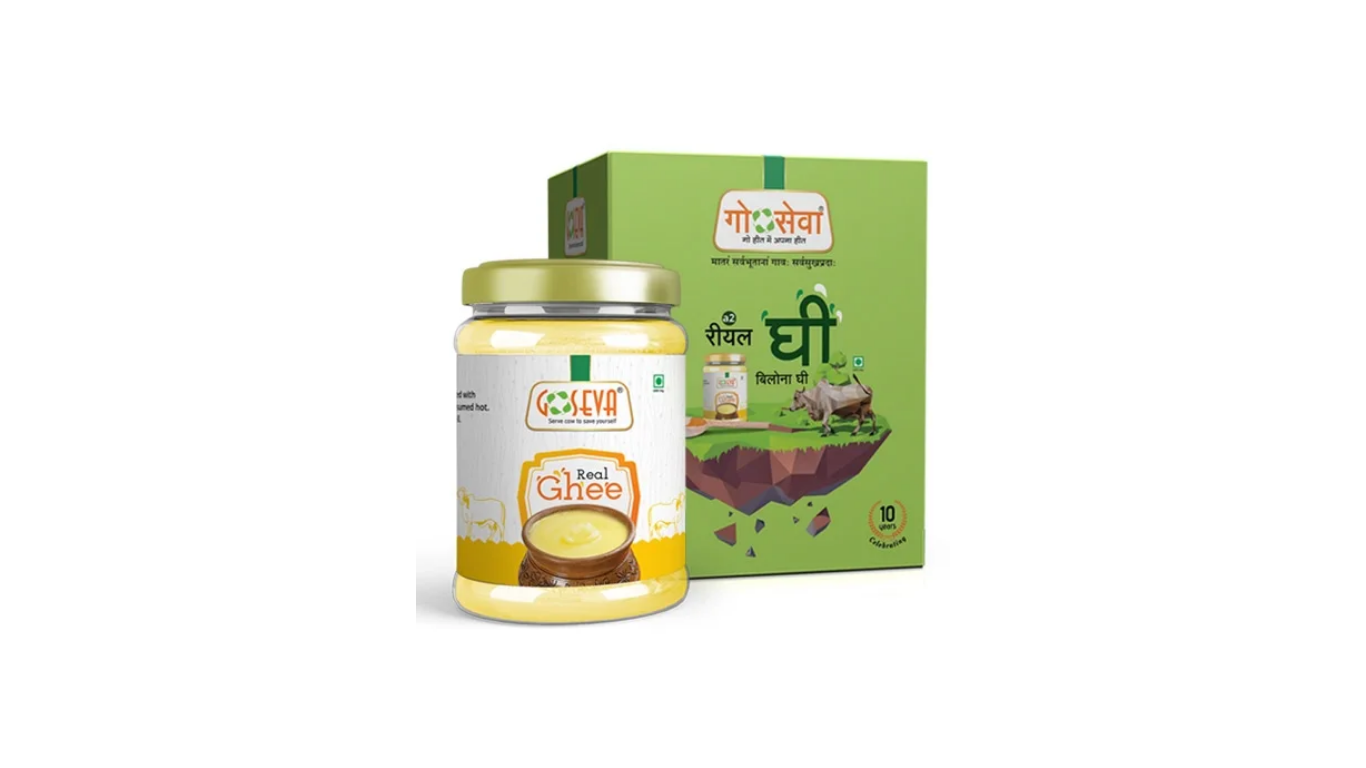
A2 Milk Ghee is ghee made from milk whose cow produces only the “A2” type of beta-casein protein (no A1). This usually means the cows are of traditional/desi breeds (Gir, etc.), grazing more naturally, being fed less processed feed. The ghee is clarified butter — milk solids removed, water evaporated — but starting with A2 milk gives it a different profile: people often say milder on digestion, more wholesome. If you want to see a good one, there’s this jar of A2 Milk Ghee from Gir cows, apparently done with traditional care.
Why Everyone’s Talking About Its Taste & Aroma
When you open real-A2 milk ghee, there’s this deep, warm, nutty scent. It’s a richer golden color. Cooking with it for tadka or finishing a curry feels luxurious. I remember swapping in A2 ghee for my daily cooking oil one week and noticing my kitchen smelled better, food tasted a notch more complex, not just “buttery” but with those undernotes that make you go “hmmm.” Even using just a teaspoon instead of heavy drizzles made flavours pop more.
The Health Talk — What Seems Real & What Might Be Hype
Many believe A2 milk ghee helps digestion — less bloating, fewer stomach issues. Part of that comes from the fact that clarified butter (ghee) removes most lactose and casein (which are often the culprits). Some studies/articles suggest that A2 protein is easier on certain people. It also carries fat-soluble vitamins like A, D, E, and K, which are good for immunity, skin, bones. Then there are mentions of butyric acid, which is supposed to be good for gut lining, helping reduce inflammation.
However, some claims seem more anecdotal than rigorously proven (at least as of now). Saying “boosts brain function” or “miracle skin glow” etc., might work on Instagram but science is still catching up in many areas. Also, just because something is natural or “traditional” doesn’t automatically make it healthy in huge amounts.
The Trade-Offs to Keep in Mind
A2 Milk Ghee tends to be pricier. Sometimes the premium is justified (real Gir cow milk, traditional bilona process, careful heating, good storage), sometimes it’s marketing. If you buy from unreliable sources, you may not get the full benefit. Also, because it’s mostly fat (especially saturated fat), using too much can still strain heart health or cholesterol in people susceptible. Moderation helps a lot.
Another thing: the label “A2” doesn’t always guarantee perfect conditions. Cow feeding, how clean the milking is, how the ghee is processed (heat, filtering, storage) all alter the end product. Even decent A2 ghee will lose aroma and some nutrients if heated too harshly or stored poorly.
My Experience & Whether It’s Worth Trying
I tried using A2 Milk Ghee (from that same kind of jar in your link) in my everyday meals for about ten days. For breakfast I’d melt a little on rotis, for lunch I’d finish a curry with it. What I noticed: less heaviness after meals, especially evenings. Taste was noticeably better — food felt less bland. Also, the smell in the kitchen in the morning? That counts for more than people think. It felt like a small treat for everyday life. Would I go all in and replace all fats with it? No — too expensive, and I still like variety. But having it as a go-to for special dishes or when I want a flavour boost seems very worth it.
Should You Swap to A2 Milk Ghee
If you enjoy cooking, care about flavour, and don’t mind spending a bit more, then yes, trying a jar of A2 Milk Ghee seems like a good move. You might notice benefits quickly (taste, digestion, aroma). If budget or access is a barrier, maybe use it selectively — for finishing touches, special meals, not for every pan fry. Probably also good to see how your body reacts. Everyone’s tolerance is different.